
Arrest Warrants in Sevier County
An arrest warrant is a written court order that tells law enforcement to take a particular person into custody. Arkansas Rules of Criminal Procedure 7.1 and 7.2 govern how it gets issued. The process begins with an affidavit laying out probable cause: a reasonable basis to think an offense happened and that the subject committed it. That sworn statement names the crime, its time and place, the accused, the officer's authority, and whether the facts come from personal knowledge or reliable hearsay. A judge then reviews the basis and issues process in the name of the State of Arkansas. The warrant itself identifies the offense and county, directs officers to make the arrest, and orders presentation before a judicial officer when required. In Sevier County, felonies usually run through Circuit Court. District Court handles misdemeanors, ordinance cases, traffic matters, and preliminary felony work. The case type and court name tell you which clerk to ask about the public docket in Sevier County.
Sevier Arrest Affidavit Route
Two records sit behind a Sevier County warrant. The affidavit gives the judge the facts. The warrant gives officers the command. A docket line reading "ARREST WARRANT ISSUED" is just an event entry, not the signed paper, and it does not prove the warrant is still active. The Arkansas benchbook summarizes the rules that govern both documents. Some affidavits, warrant images, or identifiers may be sealed or restricted in Sevier County. Ask the clerk for the releasable docket, and expect that protected parts stay withheld.
Key distinction: CourtConnect shows selected case data; only the issuing court and sheriff can confirm current arrest-warrant status and instructions.
What a Sevier County Arrest Warrant Contains
A Sevier County arrest warrant record can span three layers. One is the signed court document. Another is the public case docket. The third is the law-enforcement entry used for service. The public layer may show a case number, court and division, filing date, participant role, offense, issue date, event text, and later served or recalled status, though it may omit the warrant image. The official Arkansas warrant and surety form adds court, division, case number, defendant, judge and clerk signatures, delivery to the sheriff, initial-appearance or bail fields, and surety notice when relevant.
| Case identifier | A Circuit Court case may use a criminal case field such as CR____; no universal local warrant-number pattern was verified. |
|---|---|
| Named subject | The person named or otherwise described by the court command. |
| Offense | The alleged crime or statute tied to probable cause. |
| Issuing court | The court, division, judge, signature, and issue date. |
| Bail or surety | Fields may appear when the order addresses initial appearance, bail, or an existing surety. |
| Docket status | Event text may say issued, served, recalled, or sealed; the court must confirm its present effect. |
Sevier County Arrest Record Checks
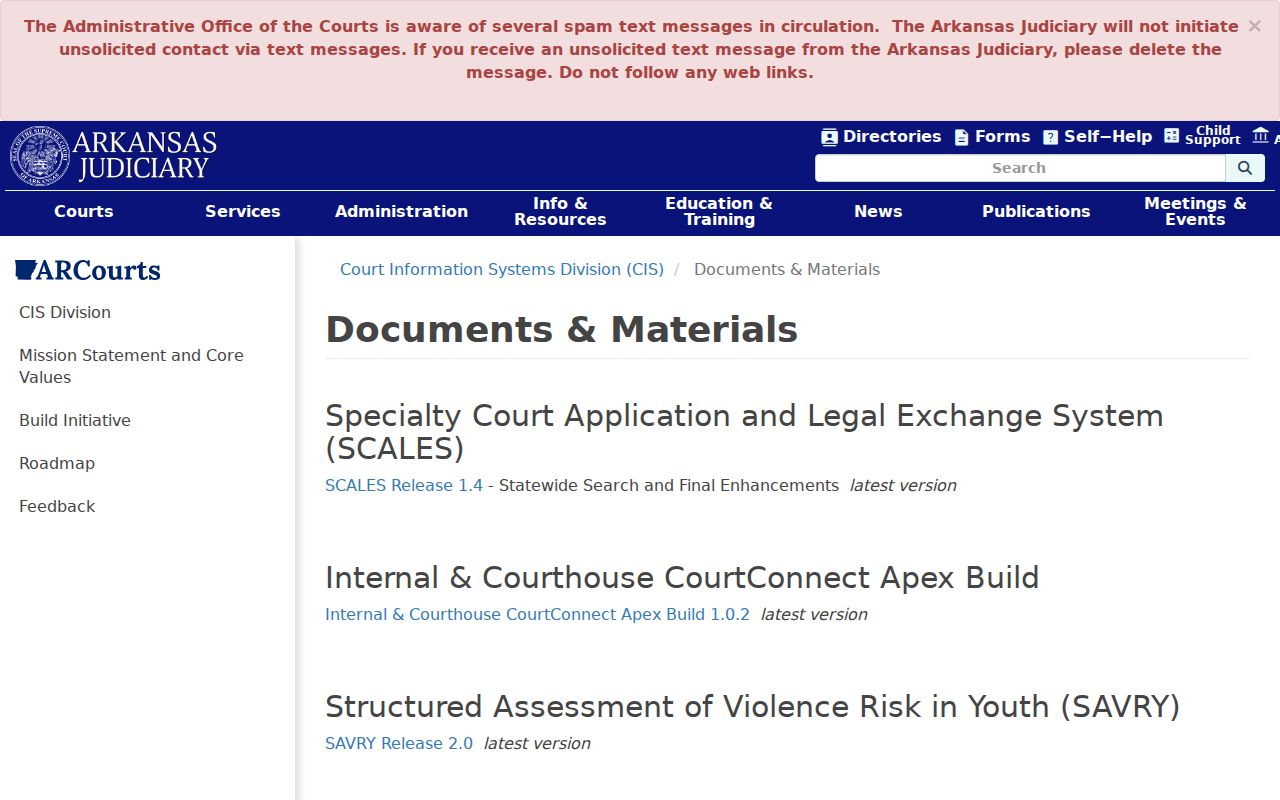
Begin with Arkansas CourtConnect. Search by participant name or a known case number, then use Advanced Search and Filter Options to narrow the court record. Match more than a name, since a similar one can produce a false hit. Compare the court, filing details, participant role, and offense before treating a Sevier County result as your case. The Arkansas Judiciary CIS documents page describes the public CourtConnect system.
CourtConnect is a court-record route. It is not a real-time public registry of open arrest warrants. For felony docket help, call Sevier County Circuit Clerk Kathy Smith at 870-584-3055, 115 North 3rd Street in De Queen. The office keeps Circuit and Juvenile Court records and offers two public view stations. Misdemeanor or preliminary felony questions go to the Sevier District Court Clerk at 870-584-7311. A specific records request can follow the county's FOIA routing instruction, which points you to the office holding the information. For service or surrender routing in Sevier County, call the Sheriff's Office at 870-642-6100. The sheriff posts no public arrest-warrant roster or online confirmation page. The sheriff app's inmate search covers custody, not open warrants.
How Sevier County Arrest Warrants Are Served
The court issues the paper. Law enforcement executes it. Arkansas law lets certified officers arrest on a warrant within their authority. The Sevier County Sheriff's Office runs Patrol, Investigation, Court Services, Support Services, and Jail Operations, and its service area covers unincorporated Sevier County plus De Queen, Horatio, and Lockesburg. The public page names no separate warrant desk and promises no surrender hours. De Queen Police also patrol the city, run criminal investigations, and coordinate with county and state agencies. Which agency acts depends on the court, the warrant type, the location, and jurisdiction. Booking and presentation to a judicial officer may follow an arrest. Any bail decision belongs to the court and the case, so a blank state form or a prior bond cannot tell you the current amount.
No Sevier Arrest Warrant Roster
Sevier County posts no public arrest-warrant roster. The sheriff's app handles inmate lookups, sex-offender data, tips, news, and resources, but no warrant table hides inside it. Neither the cities nor the Arkansas Judiciary fill that gap. So a warrant check in Sevier County runs through the court and the agencies directly. Ask the issuing court, the clerk, or the sheriff about an active warrant. An inmate search proves only who is in custody. It says nothing about an unserved warrant. A blank CourtConnect result can stem from spelling, timing, sealed material, restricted access, or a different court. Treat it as a reason to verify, not clearance.
Sevier Arrest, Summons, and Bench Warrants
These papers can sit in one Sevier County case yet do different jobs. An arrest warrant rests on probable cause for an alleged offense. A summons orders a person to appear. It does not authorize immediate arrest the same way. A bench warrant usually follows a missed setting or other noncompliance, and Sevier dockets may say "FTA warrant" or "alias bench warrant." "Capias pro fine" is not a documented local term.
| Feature | Arrest Warrant | Summons | Bench Warrant |
|---|---|---|---|
| What it orders | Custody and court presentation | Appearance on stated terms | Custody after nonappearance or noncompliance |
| Basis | Probable cause for an offense | Court process without immediate custody | A missed duty in an existing matter |
| Response | Confirm status and arrange a lawful appearance | Appear as directed | Ask whether appearance, motion, payment, or bond action is required |
Sealed Sevier Arrest Materials
Arkansas access rules keep some arrest-warrant material closed. Active criminal-investigation files, protected identifiers, sealed papers, and juvenile records can all be withheld. Administrative Order 19 governs court-record access. The Arkansas Freedom of Information Act covers qualifying public records at public offices. A narrow Sevier County request beats a blanket one. Give the case number if you have it, plus the court, record type, and date range. Ask for the segregable nonexempt parts. The office may share docket data. An affidavit or image can stay withheld. Neither outcome proves or disproves a current warrant either way.
Confirm Sevier Arrest Warrant Status
Docket words matter in Sevier County. "Issued" records a court event. "Served" records execution. "Recalled" means the court withdrew the process, while "sealed" governs access rather than existence. A recall motion is not a signed recall order.
- Probable cause
- Facts giving a reasonable basis to believe an offense occurred and the subject committed it.
- Recall
- A court action withdrawing its warrant.
- Quash
- A court action setting process aside as legally ineffective.
- Surety
- A person or company responsible under a bond agreement.
Check the event date and court name. Then ask that court directly whether a later order changed the status, since dockets can lag. Confirm service logistics separately with the sheriff, because the clerk keeps the record while the sheriff executes it.
Resolve Your Sevier County Arrest Warrant
Start with the issuing court. Confirm the warrant's current status with that Sevier County court. Ask whether the judge requires an appearance, motion, payment, bond, or counsel. Then ask the sheriff which location and time are authorized for service or voluntary surrender. An attorney can contact the court, review whether a recall or quash motion is available, and help arrange a controlled appearance. No Sevier County office publishes a universal walk-in surrender schedule, recall form, after-hours process, or fixed bond amount. Don't borrow those details from another county. Posting bond addresses release under court-set terms. It does not erase the case. A recall or quash requires court action. Get written confirmation from the Sevier County court after any order or appearance. Write the office, date, and exact instruction down. Bring the case number and the identification requested. A District Court matter takes a different route than Circuit Court, so switch before appearing. For danger or a crime in progress, call 911; a routine status question belongs with the clerk and sheriff numbers published above.
Important: Speak with a lawyer and the issuing court before appearing; an active warrant may lead to arrest during law-enforcement contact.